
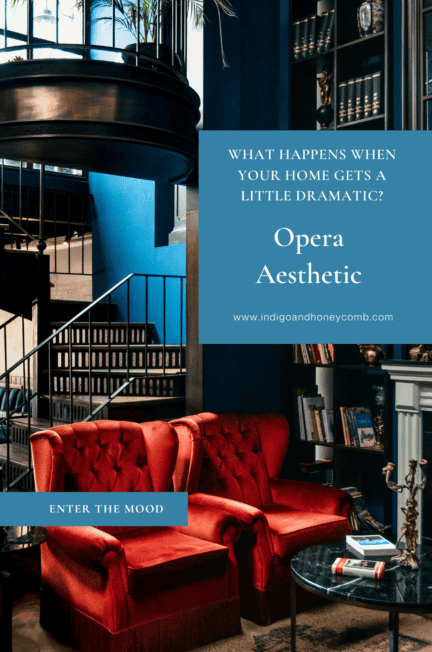
Bring the Drama Home Without Turning Your Living Room Into an Opera House
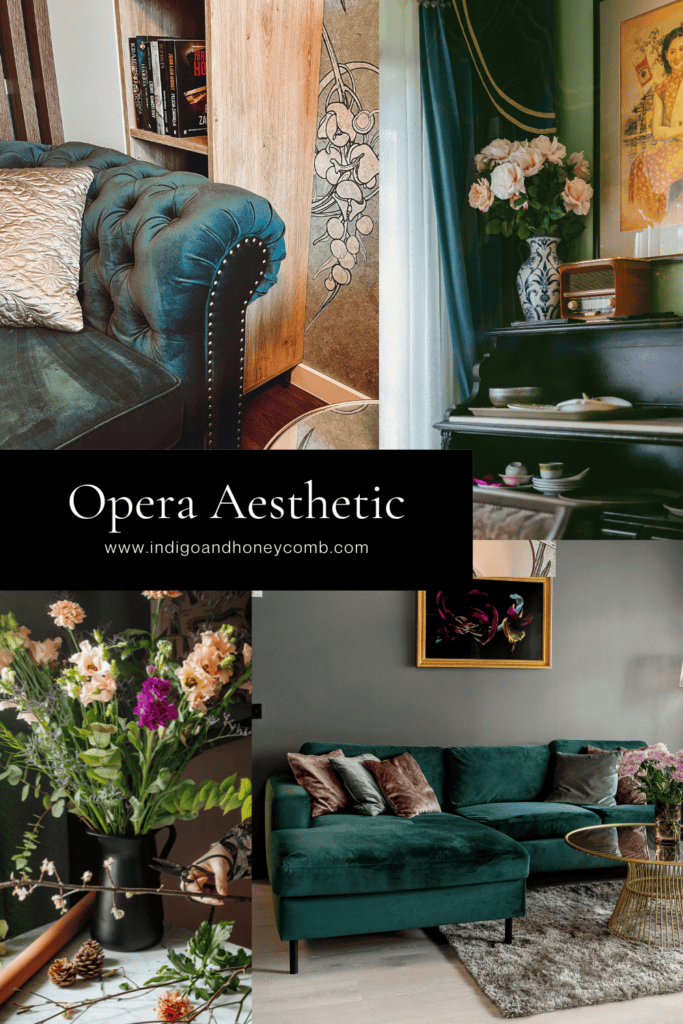
Opera Aesthetic home decor ideas begin with a simple question: what if your home felt a little more theatrical? Not necessarily grander or more expensive, but more expressive, more layered and a little less predictable. Think of velvet against polished wood, a sculptural lamp casting a warm glow across the room. Perhaps an ornate mirror reflecting a dramatic arrangement of flower. Or a richly colored chair that makes an otherwise quiet space feel considered. The effect is less about decorating a room from scratch and more about giving it a stronger sense of character.
For Fall 2026, Opera Aesthetic offers an invitation to explore the more expressive side of interior design. Building on the season’s interest in atmosphere, it takes those ideas in a more opulent direction. While the name may bring to mind gilded theaters, elaborate costumes and sweeping velvet curtains, the most interesting interpretation for the home is often much more restrained. You do not have to turn your living room into the opera house. You simply need to understand which elements create the feeling and decide where a little drama would make the greatest difference.
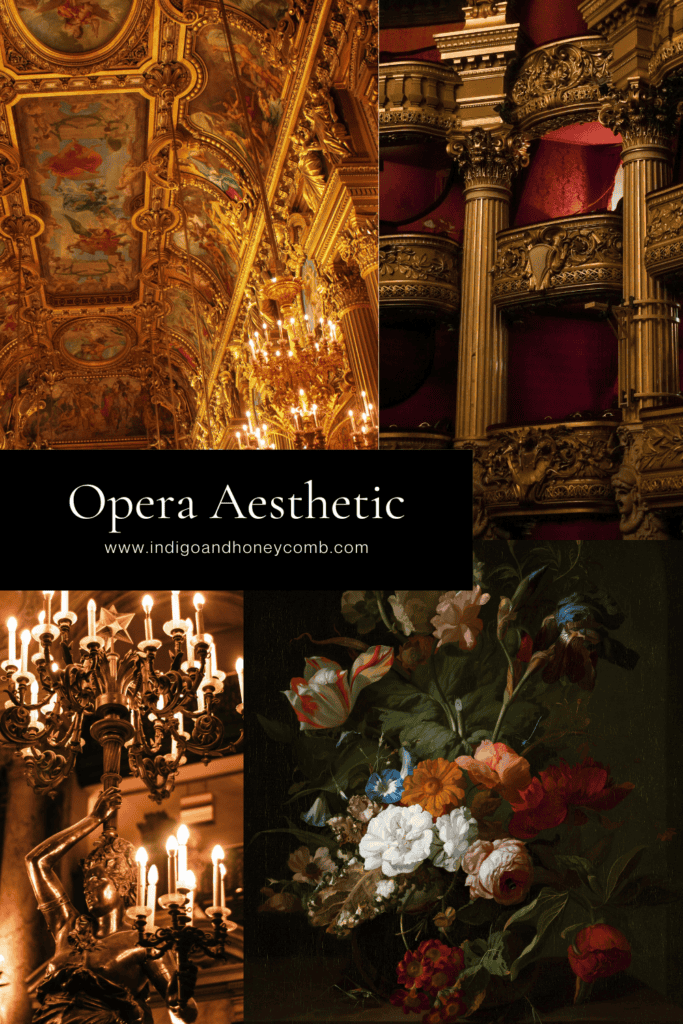
What Is the Opera Aesthetic Trend?
Pinterest Predicts 2026 identifies Opera Aesthetic as a trend centered on opulent celebrations and decadent details. The visual language includes dramatic draping, vintage-inspired luxury, elaborate party settings and references to the world of opera. Although Pinterest places the trend within its celebrations category, those same design cues can inspire interiors when translated into furnishings, lighting, color and decorative details. The result is an approach to decorating that feels expressive and romantic without requiring a formal room or a grand architectural setting.
At its heart, Opera Aesthetic is about creating a sense of occasion. Many contemporary interiors prioritize simplicity, quiet palettes and clean lines. However, this trend invites us to consider what happens when a room has a little more ornament, contrast and personality. A mirror becomes more than a functional object when its frame has sculptural detail. A lamp becomes a focal point when its shape is unusual or its shade casts a beautiful pool of light. Even a simple arrangement of flowers feels different when placed in a substantial ceramic vessel on a dark wood table. The individual pieces matter, but the atmosphere they create together is what makes the look work.
The Opera Aesthetic Color Palette: Jewel Tones, Deep Neutrals and Metallic Accents
Color is one of the easiest ways to bring the Opera Aesthetic into your home. It can establish a sense of richness before you introduce a single ornate object. Deep red, oxblood, emerald green, sapphire blue and plum provide the intensity associated with jewel tones, while warm ivory, espresso brown and blackened neutrals give those colors somewhere to settle. Rather than using every shade at once, choose one dominant color and build around it with quieter supporting tones.
For Indigo & Honeycomb, Midnight Oxblood (#4A0913), the October 2026 Color of the Month, offers a natural starting point. Its blackened red undertone feels intimate and dramatic, particularly when paired with warm ivory, dark wood and aged brass. Emerald or deep teal can shift the mood toward something more traditional and jewel-like, while plum and smoky violet create a softer, more romantic interpretation. Metallic finishes, especially aged brass and antique gold, add warmth and reflect light without making the palette feel overly polished.
The most successful version of this palette is not necessarily the darkest one. If your home already has warm white walls, pale oak floors or neutral upholstery, those existing elements can provide the contrast that makes a rich accent color stand out. A single oxblood cushion, a dark floral arrangement or a piece of artwork with deep red and gold tones can feel more intentional against a quiet background than an entire room filled with competing colors. The goal is to create contrast and depth, not simply to make everything darker.
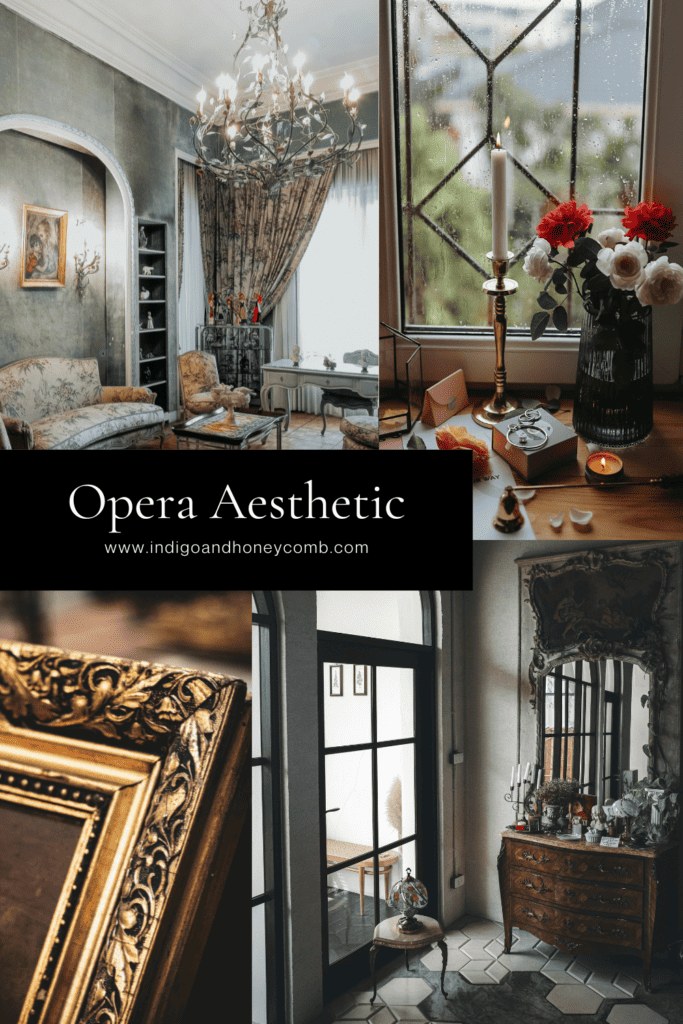
Velvet, Fringe and the Appeal of Tactile Materials
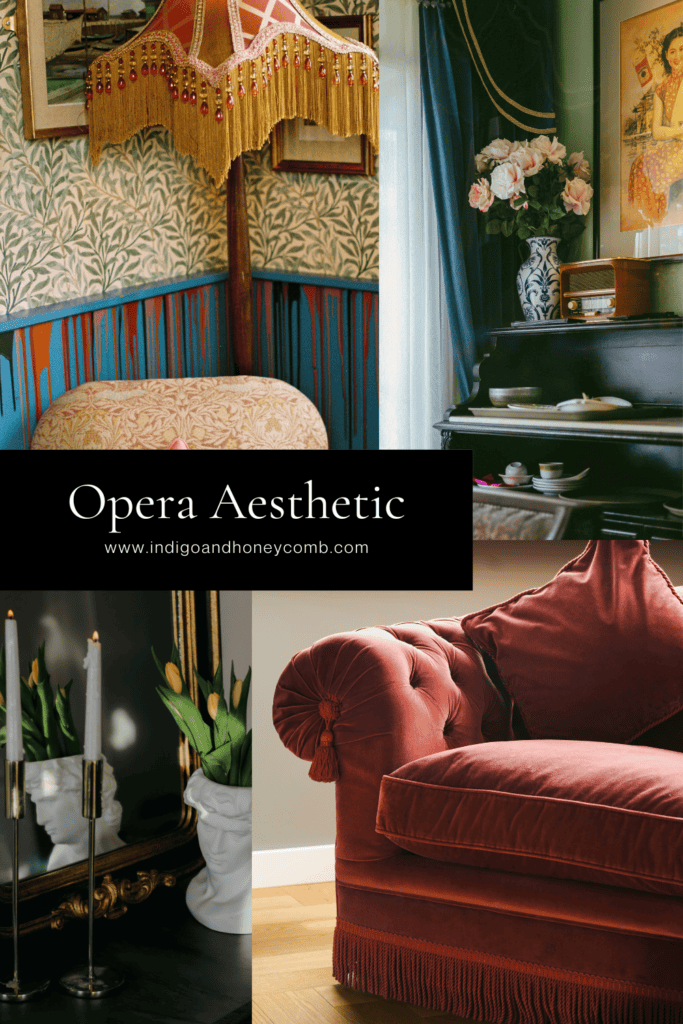
Opera Aesthetic lends itself to materials that invite a closer look. Velvet is an obvious starting point because its surface changes with the light, creating subtle shifts between shadow and sheen. A velvet pillow, upholstered ottoman or occasional chair can introduce that quality without committing to a large furniture purchase. The material brings visual weight to a room, making it particularly effective alongside linen, natural wood, matte ceramics and other finishes that offer a different texture.
Fringe, tassels and decorative trim add another layer of personality, but they work best when used selectively. A fringed lampshade, a cushion with a detailed edge or a textile with a decorative border can suggest the richness of traditional interiors without making the room feel overly formal. Similarly, lacquered surfaces introduce a smooth, reflective quality that contrasts beautifully with velvet and aged finishes. A small lacquered tray, a decorative box or a glossy side table can supply that contrast in a manageable way.
The trick is to let the materials complement rather than compete with one another. Does your room already has velvet upholstery? Introduce a sculptural brass lamp or a dark wood accent instead of adding several more plush fabrics. If the furniture is simple and modern, a single fringed detail or an ornate accessory can provide just enough contrast. The most compelling interiors are often those in which one unexpected material makes the familiar pieces around it look more interesting.
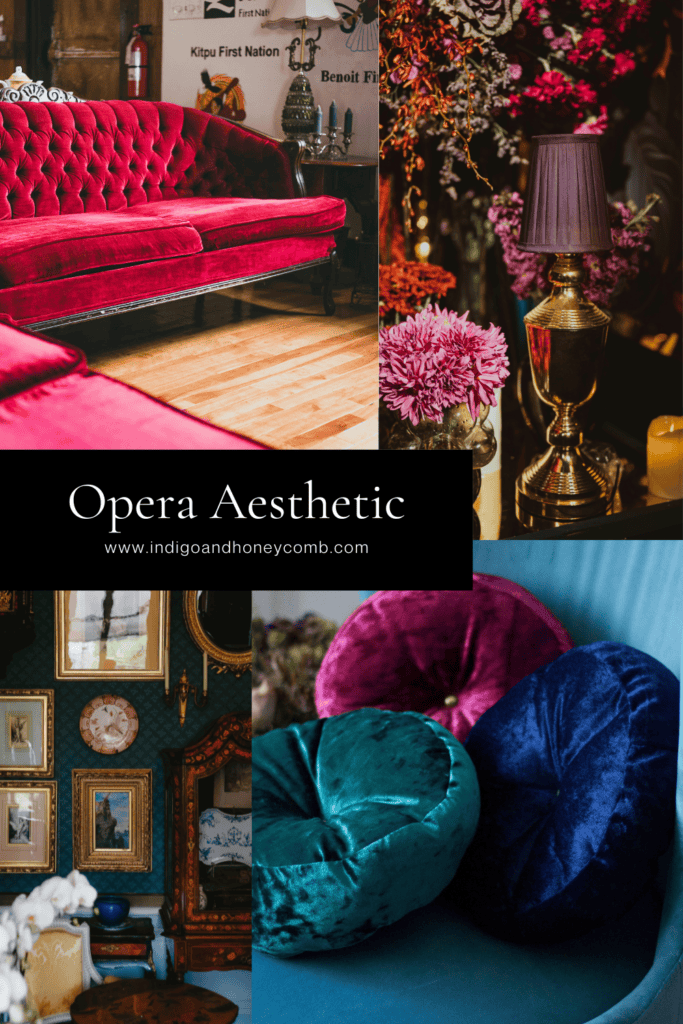
Dramatic Lighting Changes Everything
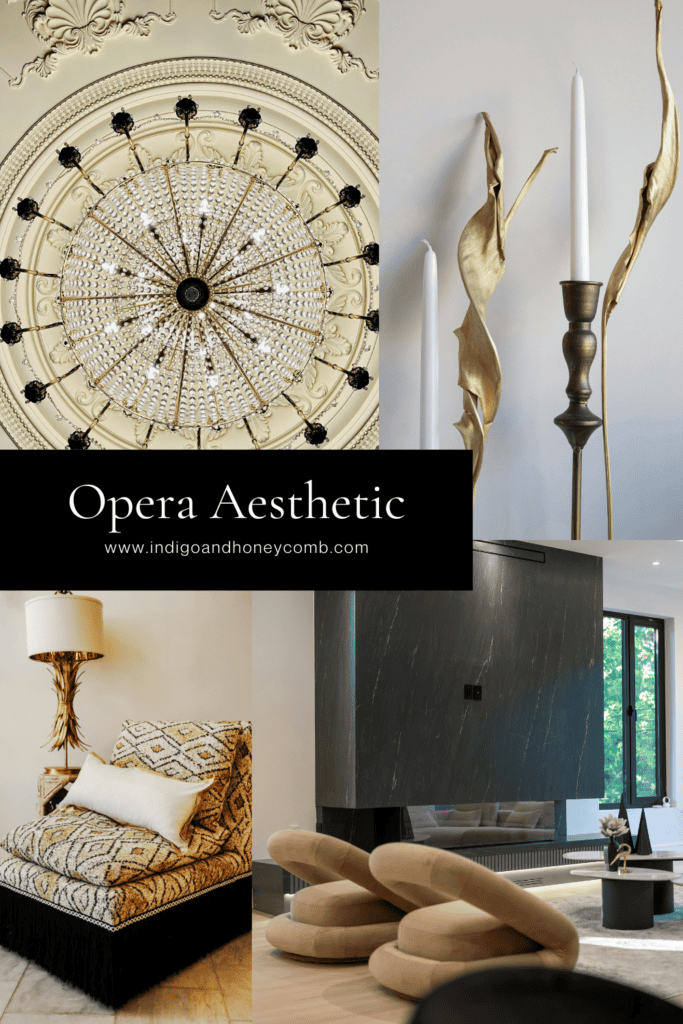
If there is one element that can transform the mood of a room without requiring a major redesign, it’s lighting. Opera houses are designed around the relationship between light, shadow and visual focus. That principle translates surprisingly well to residential spaces. Instead of relying exclusively on bright overhead lighting, use table lamps, floor lamps, wall lights and candles to create smaller pools of illumination. The room begins to feel more intimate, and the objects within it become part of a layered composition.
A sculptural lamp can function as both a light source and a decorative object. Look for an interesting base, a distinctive silhouette or a shade that adds texture. Warm metal finishes, pleated shades and softly colored glass can all contribute to a more theatrical effect, particularly when paired with dark wood or a saturated accent color. Do you prefer a contemporary interior? A curved lamp with an unusual profile may provide all the drama you need without introducing traditional ornament.
Consider the light itself, too. Warm bulbs and shaded fixtures generally create a softer atmosphere than harsh, cool illumination. A mirror placed where it can reflect lamplight can extend that effect, while a pair of smaller light sources often creates more depth than one bright ceiling fixture. The point is not to make your home dim or impractical. It’s to give the room more than one mood, allowing it to feel bright and functional during the day and warm and atmospheric in the evening.
Mirrors, Artwork and Objects With a Sense of History
Opera Aesthetic encourages us to think beyond purely functional decorating. A mirror can become a focal point because of its carved frame, curved outline or aged finish. Artwork can establish a mood through dramatic composition, rich colors or expressive subject matter. Decorative objects can introduce a sense of history, whether they are genuine vintage finds, inherited pieces or contemporary designs inspired by older forms.
This is where the trend connects naturally with the idea of a collected home. A room does not need to be filled with antiques to feel layered. A vintage-inspired mirror above a modern console, an expressive painting beside a streamlined sofa or a pair of brass candlesticks on a simple dining table can create an appealing tension between old and new. That contrast keeps the room from feeling like a themed set and allows individual pieces to retain their own character.
Artwork is especially useful when you want to introduce drama without changing the room’s permanent finishes. Look for expressive portraits, still lifes, richly colored landscapes or abstract compositions that bring movement to the walls. The frame matters, but it does not have to be ornate. A dramatic image in a restrained frame can be just as effective as a traditional painting with a gilded edge. Choose work that feels connected to the room’s palette and mood rather than selecting pieces simply because they look theatrical.
Curved Silhouettes and the Softer Side of Drama
Not every element of Opera Aesthetic needs to be elaborate. Curved silhouettes can introduce a sense of movement and elegance without relying on decorative detail. A rounded armchair, an arched mirror, a sculptural vase or a lamp with a sweeping profile softens the straight lines found in many contemporary interiors. These forms can make a room feel more expressive while remaining comfortable and livable.
The contrast between a curved object and a clean-lined room is often what makes it stand out. A rounded accent chair beside a rectangular sofa, for example, creates a more dynamic arrangement without requiring a completely different furniture style. An arched mirror can soften the geometry of a console wall, while a substantial vase adds an organic shape to a dining table or bookcase. The silhouette does the work, so you do not need to add elaborate ornament to every surface.
This is also an opportunity to use what you already own. Rearranging furniture to create a more deliberate focal point, displaying a sculptural object on an otherwise simple table or placing artwork where it becomes visible from the main entrance can make the room feel newly considered. Sometimes the most effective design change is not another purchase but a better relationship between the pieces already in the space.
How to Bring Opera Aesthetic Home Without Overdoing It
The easiest way to approach Opera Aesthetic is to borrow about ten percent of the look rather than trying to recreate the whole aesthetic. Choose one feature that will carry the mood and allow the rest of the room to support it. If you love rich color, that feature might be a velvet pillow in Midnight Oxblood or a dramatic piece of artwork. And, if you are drawn to ornament, it might be an antique-inspired mirror or a pair of sculptural candlesticks. Or if atmosphere is what appeals to you most, begin with lighting instead.
Start by considering the room’s existing character. A neutral living room might benefit from one jewel-toned accent and a lamp with a more distinctive silhouette. A traditional dining room could take on a theatrical quality through velvet seating, warm metallic details and a substantial floral arrangement. In a bedroom, layered textiles and a softly lit bedside lamp may create the desired mood without introducing any ornate furniture at all. The right starting point depends on what the room already offers and which change would make the greatest difference.
It is equally important to leave some visual breathing room. When every surface holds a decorative object, every fabric is richly textured and every finish competes for attention, the room can begin to feel staged rather than lived in. Give your most expressive pieces room to stand out. Let a dramatic mirror occupy an otherwise quiet wall, keep the accessories on a side table edited, or pair a richly colored chair with uncomplicated upholstery elsewhere. Restraint is not the opposite of drama; it is often what makes drama effective.
Five Ways to Try the Trend With What You Have
1. Introduce one rich accent color. Choose a shade that complements your existing palette, such as oxblood, emerald, plum or sapphire. A cushion, throw, vase or artwork can provide the contrast without requiring new paint or furniture. If you prefer a softer interpretation, pair the accent with warm ivory and natural wood rather than surrounding it with additional saturated colors.
2. Replace flat lighting with a more considered glow. Add a table lamp with a distinctive base, try a pleated shade or place a second light source in a dark corner. Even a simple room can feel more atmospheric when light is distributed across different heights rather than concentrated overhead. Choose warm, comfortable illumination that suits how you actually use the space.
3. Give one surface a more collected arrangement. Style a console, coffee table or bookcase with a few objects that have different heights and finishes. A ceramic vessel, a stack of books, a small framed artwork and a brass accent can create a layered composition without filling every available space. Keep the arrangement edited so each piece remains visible.
4. Add a tactile or decorative detail. Velvet, fringe, tassels, pleated fabric and glossy finishes can all suggest the trend in small doses. Choose one texture or detail that contrasts with the materials already in the room. If the space is full of smooth, modern surfaces, a velvet cushion may be enough. Or, if it already has layered textiles, a reflective or sculptural accent might be more effective.
5. Use a mirror or artwork to establish a focal point. Rather than adding several small decorative objects, consider whether one expressive piece could give the room more personality. A curved mirror, a vintage-inspired frame or a richly colored artwork can create a stronger visual center and help the surrounding furnishings feel more intentional.
Opera Aesthetic and the Art of the Collected Home
What makes this trend interesting is not the idea of making every room luxurious. Interiors can be expressive and personal, with objects chosen for their shape, material, color and emotional effect as well as their function. A room can have clean architecture and simple furniture yet still feel dramatic because of the way the light falls, the artwork is arranged or one saturated color anchors the palette.
That approach fits naturally with the collected-home philosophy at Indigo & Honeycomb. The goal is not to reproduce a showroom or follow a trend so literally that the room loses its individuality. It is to recognize the elements that speak to you and find a place for them within the home you already have. An ornate mirror can sit comfortably above a modern console. A velvet chair can add depth to a room filled with natural materials. A dramatic floral arrangement can turn an ordinary dinner into a small occasion.
Opera Aesthetic also offers a useful counterpoint to the darker, more intimate mood of Vamp Romantic. Both invite richer colors, layered textures and thoughtful lighting. But Opera Aesthetic is more concerned with ornament, visual flourish and the feeling of an occasion. Vamp Romantic tends toward shadow and intimacy; Opera Aesthetic adds a little more spectacle. You can borrow from either direction without committing to a single style throughout your home.
Bring the Drama Home, One Detail at a Time
The most livable interpretation of Opera Aesthetic is not a room that looks as though it belongs on a theater stage. It is a room with a little more intention. Where the lighting creates atmosphere, the colors have depth and a few expressive pieces give the space its own personality. Begin with a velvet pillow, a sculptural lamp, or a richly colored artwork that makes an otherwise quiet wall feel special. Each small decision can shift the mood without asking you to start over.
Think of Opera Aesthetic as permission to be a little more adventurous. You do not need more ornament everywhere, and you do not need to abandon the style you already love. You simply need to decide where your home could use a little more character. Sometimes the smallest detail is enough to make an everyday room feel like an occasion.

Leave a Reply