
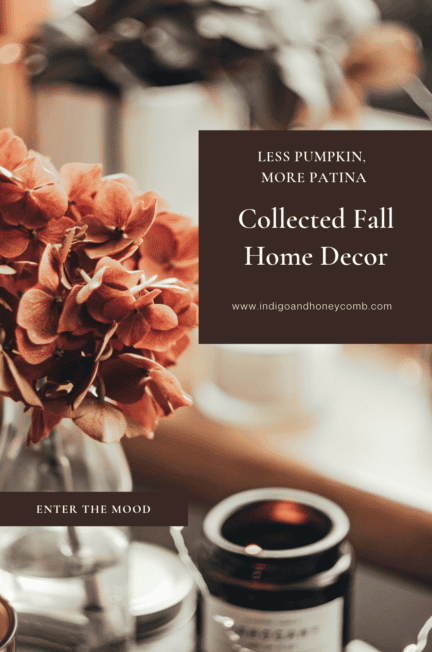
Why the most interesting fall homes feel collected, not decorated.
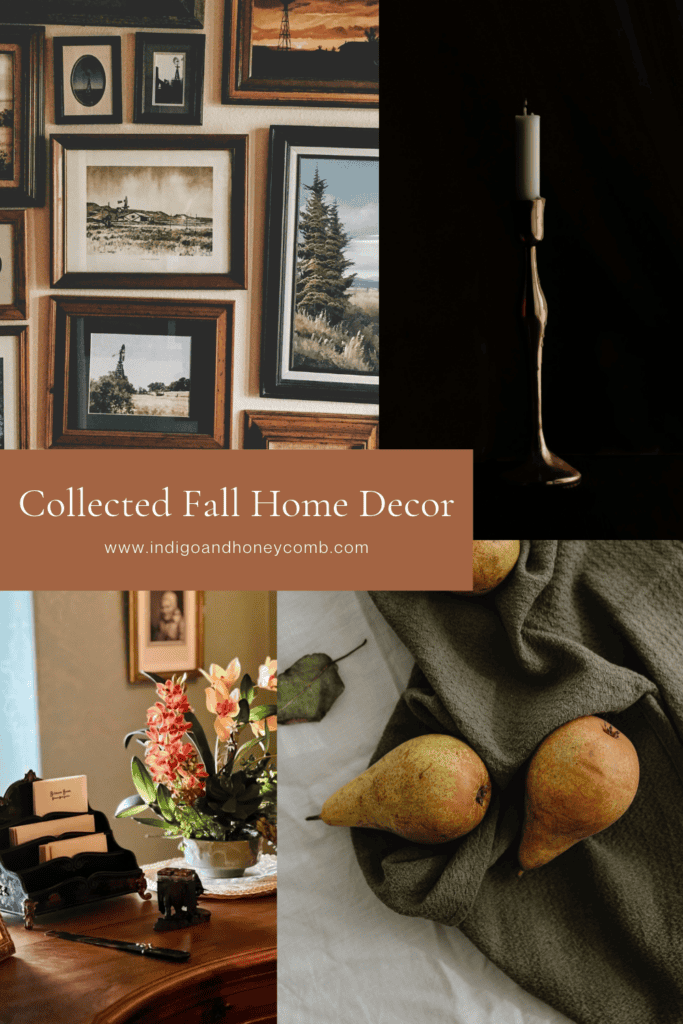
Collected fall home decor is about creating a home that feels warmer, more personal and a little more lived in as the seasons change. Instead of filling every surface with pumpkins, artificial leaves and signs announcing the arrival of autumn, this approach starts with the things that make a room feel considered: aged brass, dark wood, beautiful textiles, imperfect ceramics, vintage finds and lighting that softens the mood. The seasonal shift comes through color, texture and atmosphere rather than a collection of decorations that will need to be packed away in November.
There is nothing wrong with a pumpkin on the porch or a bowl of seasonal branches on the dining table. The difference is that fall decorating no longer has to rely on recognizable symbols of the season to make a home feel autumnal. A deep red velvet pillow, a worn wooden bowl or a ceramic vase filled with dried branches can create just as much seasonal character, often with greater versatility. These are pieces that feel appropriate in October but can remain part of the home through winter and beyond.
For Fall 2026, this idea fits naturally into the Indigo & Honeycomb approach to color and interiors. Our seasonal story has moved from September’s The Soft Landing into October’s Enter the Mood: Romance, Drama & Darker Color. The emphasis is shifting toward richer palettes, expressive materials and rooms with a little more depth. Rather than decorating for a single holiday, we can use the season as an opportunity to make the home feel more layered, more atmospheric and more distinctly our own.

Fall Decorating Is Growing Up
For years, seasonal decorating has often been presented as a checklist: bring out the pumpkins, add a wreath, scatter a few leaves and introduce a familiar autumn message to the mantel. Those details can be charming, especially when they reflect a person’s style, but they are not the only way to make a home feel seasonal. When every accessory announces fall, the room can begin to feel like a temporary display rather than a natural extension of the people who live there.
A more enduring approach begins with the room itself. Collected fall home decor means to consider the materials already present, the colors that make the space feel comfortable and the objects that have accumulated meaning over time. A wooden table with visible grain, a brass lamp that has developed a softer finish or a ceramic bowl with an irregular glaze can offer more character than a perfectly coordinated set of seasonal accessories. These pieces have a sense of permanence, and they allow fall to emerge through the atmosphere of the room rather than through literal decoration.
This is also a more flexible way to approach seasonal change. You may want a few obvious autumn touches, but you do not need to replace the entire room every time the calendar changes. A small adjustment to the palette, a different textile or a new arrangement of objects can be enough to shift the mood. The most successful seasonal interiors often feel as though they have evolved naturally, not as though everything was purchased for one particular month.
What Does Patina Have to Do With Fall?
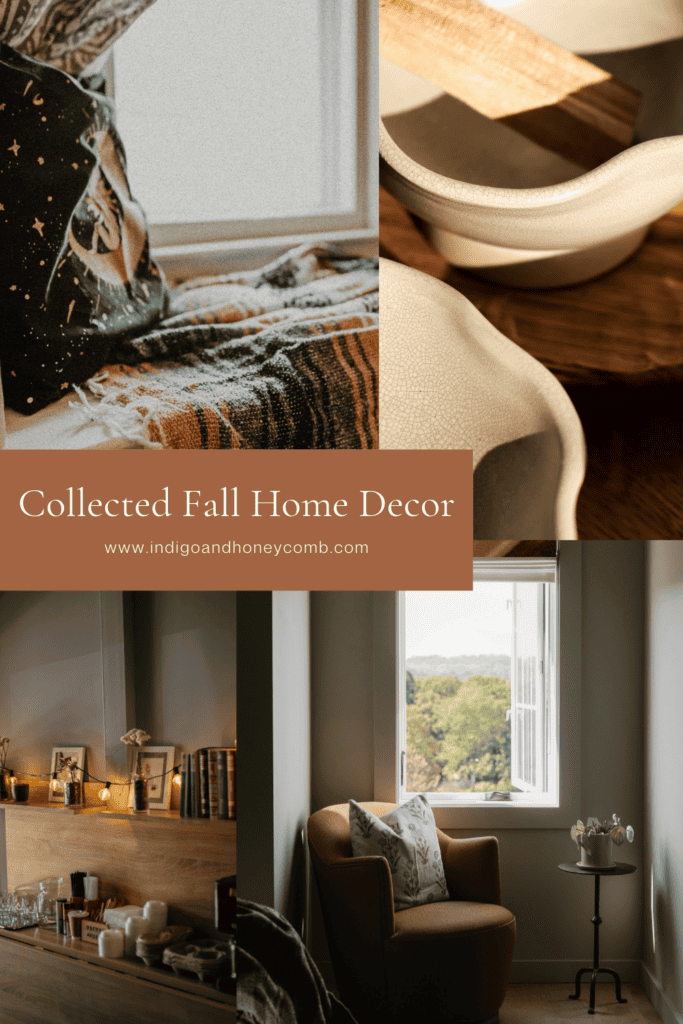
Patina is the character that develops on a material through age, use and exposure. It can appear as a softened brass finish, the subtle wear on a wooden tabletop, the surface variation of an old ceramic vessel or the gentle imperfections of a vintage mirror. In design, the appeal is not simply that an object looks old. It is that the surface has depth and variation, making the piece feel less manufactured and more individual.
This is one reason patinated finishes work so well in collected fall home decor. Autumn is a season of changing light, deeper colors and a renewed appreciation for tactile materials. Aged brass catches warm light differently from a highly polished surface, while worn wood adds visual weight to a palette of ivory, olive, cocoa and oxblood. Handmade ceramics bring irregularity into a room that might otherwise feel too polished. Together, these details create an atmosphere that feels grounded and inviting.
You do not need to fill your home with antiques to achieve this effect. Genuine age is not a requirement. A contemporary ceramic vase with an imperfect glaze, a brushed metal lamp or a wood accessory with visible grain can introduce similar qualities. The point is to choose materials with texture and character rather than relying exclusively on perfectly smooth, matching finishes. A home feels more collected when the objects have different histories, shapes and surfaces, even if some of those pieces are new.
The Color Story: Richer, Warmer and Less Literal
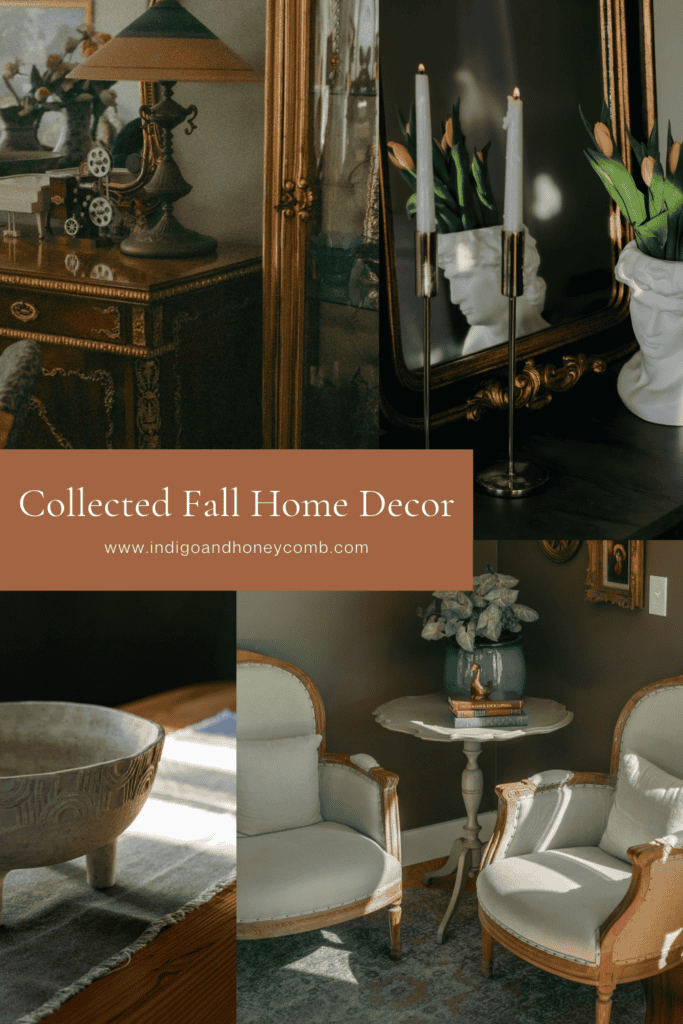
Color is one of the most effective ways to make fall decorating feel more sophisticated. Instead of defaulting to bright orange as the dominant seasonal shade, consider a broader palette of oxblood, chocolate brown, bottle green, smoky violet, muted terracotta and warm ivory. These colors evoke the depth of autumn without making the room feel tied to a particular holiday. They can also work with the colors already present in your furnishings, allowing you to refresh a space without starting from scratch.
Indigo & Honeycomb’s October Color of the Month, Midnight Oxblood (#4A0913), is a natural fit for this approach. Its deep, blackened red introduces drama and warmth, especially when paired with aged brass, dark wood and warm ivory. You might bring it into a room through a velvet cushion, a floral arrangement, a piece of artwork or a small upholstered accent. The color feels seasonal because of its depth and relationship to other materials, not because it is an obvious fall decoration.
Green is another useful direction. Smoky olive and bottle green connect beautifully with natural wood, dried botanicals and earthy ceramics, while cocoa brown can provide a quieter alternative to black when you want contrast. Warm ivory keeps the palette from becoming too heavy, and touches of muted lilac can soften the deeper colors. The result is a fall palette with more nuance, one that can evolve into winter simply by changing the textiles or adjusting the lighting.
The most important consideration is balance. If your room already has dark furniture, you may want to introduce warmth through lighter textiles and brass accents rather than adding more dark surfaces. If the room is mostly cream and natural wood, a deeper red or green can provide a focal point. Think about how each color relates to the architecture, furniture and light in the room. A thoughtful combination will feel more lasting than a collection of colors selected only because they are associated with autumn.
Aged Brass, Dark Wood and the Beauty of Imperfection
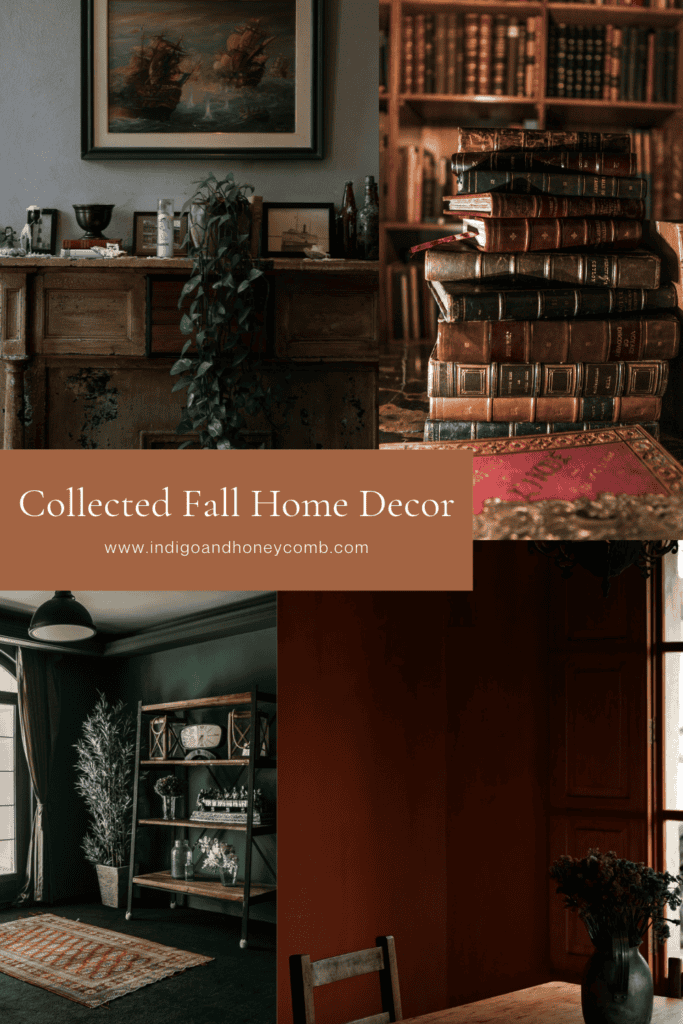
Some of the most effective fall updates are not decorative objects in the traditional sense. They are materials that change the way a room feels. Aged brass brings a warm metallic note without the sharp shine of a highly polished finish. Dark wood adds depth and a sense of permanence, whether it appears in a side table, a picture frame or a small decorative bowl. Together, these materials create contrast with soft upholstery, natural linen and warm neutral walls.
Imperfection is equally important. A handmade ceramic vase with a slightly uneven glaze, a vintage bowl with visible wear or a wooden object with natural grain can make a room feel more individual. These pieces do not have to match, and they should not look as though they came from the same decorative collection. Their differences are part of the appeal. When the shapes and finishes have a relationship to one another, the room feels cohesive without becoming overly coordinated.
If your home is more contemporary, introduce these materials in small doses. A dark wood tray on a pale coffee table, a brass lamp beside a simple sofa or an irregular ceramic vessel on a console can add warmth without changing the overall style. In a traditional interior, you may already have many of these elements. The opportunity is to edit the arrangement and let the best pieces stand out. You do not need more objects simply because the season has changed.
Textiles Make a Room Feel Collected
Textiles are especially useful when you want to shift a room into fall without making permanent changes. Velvet, washed linen, wool, woven cotton and textured knits introduce variation that can be felt as well as seen. A velvet pillow in oxblood or deep green brings richness to a neutral sofa, while a soft wool throw can make a reading chair feel more inviting. Linen and woven fabrics provide a quieter counterpoint, keeping the arrangement from becoming too heavy.
The key is to layer different textures rather than buying everything in the same fabric or color. A smooth velvet pillow can sit alongside a nubby woven cushion, with a washed linen throw draped over the arm of the sofa. The colors might be related without being identical: cocoa, warm ivory and smoky olive, for example, or oxblood with cream and dark brown. That variation gives the arrangement depth and makes it feel as though it has developed over time.
Textiles are also a practical place to experiment. If you are curious about a darker palette but don’t want to repaint or purchase a new chair, begin with one pillow or a throw. You can test the color against your existing furniture and see how it behaves in different light. If it works, add another layer. If it does not, the change is easy to reverse. Seasonal decorating becomes much less expensive and more personal when it begins with small, considered decisions.
Dried Botanicals Instead of Seasonal Clutter
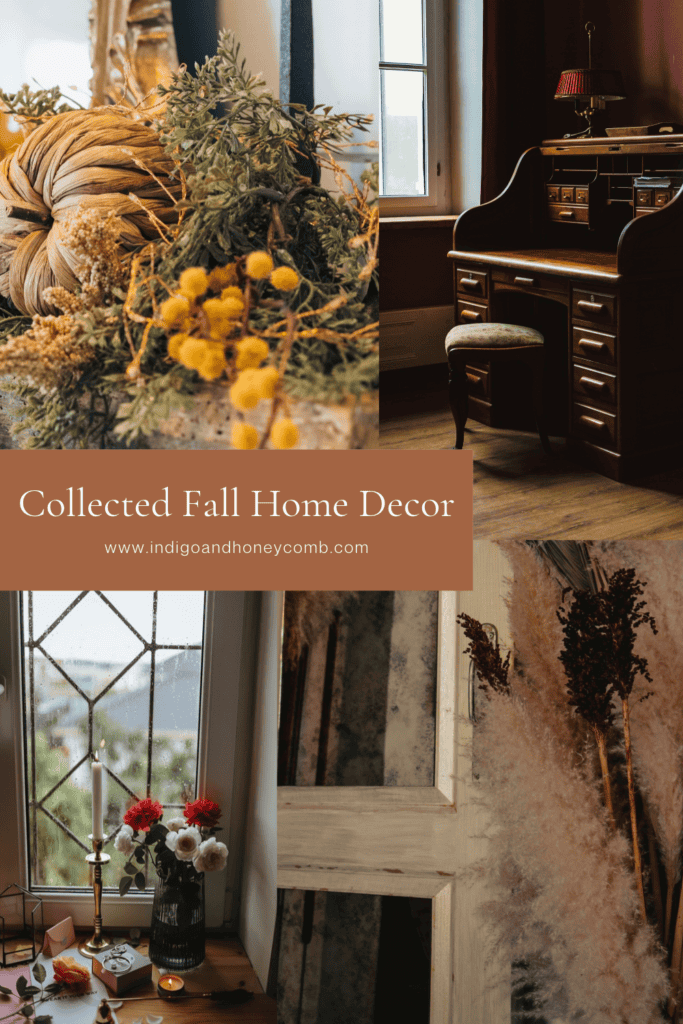
Natural elements bring a sense of autumn into a home without requiring a literal display of the season. Dried branches, seed pods, grasses and sculptural stems can add height, movement and texture to a room. Arranged in a simple ceramic vase, they feel connected to the landscape outside while remaining understated enough to work with a wide range of interiors. The shape of the arrangement often matters more than its color, particularly when you choose branches with an interesting silhouette.
Try placing a tall arrangement on a console or dining table where it can become a focal point without blocking the view across the room. A smaller grouping of dried stems can soften a bookshelf or side table, while a few branches in a substantial vessel can bring life to an otherwise quiet corner. Choose a container that complements the surrounding materials, such as matte ceramic, aged metal or dark glass. The combination of organic shapes and tactile finishes is what makes the arrangement feel grounded.
Dried botanicals are not automatically the better choice for every home. And they do not need to replace fresh flowers or living plants. The idea is to choose natural elements that feel right for your space and use them with restraint. One well-proportioned arrangement can have more impact than several small seasonal decorations scattered across every surface. Leave room around it so its shape and texture can be appreciated.
The Collected Fall Home Decor: Vintage Finds Meet Everyday Pieces
A collected home is not necessarily filled with expensive antiques or rare objects. It is a home where the pieces feel chosen rather than simply purchased to complete a look. A vintage mirror might hang above a contemporary console, or a family bowl might sit beside a modern lamp. A framed print can bring together colors found elsewhere in the room, while an inherited object adds a personal connection that no new accessory can replicate.
Fall is a natural time to revisit the things you already own. Take a closer look at the objects stored on shelves, in cabinets or in other rooms. A ceramic vessel that has not been displayed for months might be exactly what your entryway needs. A small table could work better beside a reading chair than where it currently sits. Artwork might feel more connected to the room if it is moved closer to the colors and materials it complements. Rearranging and editing can refresh a space without adding to the shopping list.
When you do buy something new, look for a piece that brings a different quality to the room. If most of your furnishings have clean, straight lines, a curved mirror or sculptural vase can introduce movement. Is the palette is very light? A dark wood object or richly colored textile may provide useful contrast. Does the room already has plenty of pattern? A simple ceramic piece can give the eye a place to rest. The aim is not to make every object look old, but to create a relationship between the familiar, the new and the meaningful.
Lighting Is the Finishing Layer
Atmosphere depends on more than color and accessories. The way a room is lit can make the same furnishings feel entirely different. In fall, when evenings arrive earlier, softer pools of light become especially appealing. Table lamps, floor lamps, shaded fixtures and candlelight can create a layered effect that feels warmer and more intimate than relying on a single overhead light.
Consider the placement of your lamps as carefully as the fixtures themselves. A table lamp beside a sofa creates a comfortable reading area, while a small lamp on a console can give an entryway a welcoming glow. A shaded light on a sideboard can bring attention to artwork or ceramics nearby. If you have a mirror positioned to reflect the light, the room may feel brighter and more dimensional without adding another fixture.
You do not need to make every room dim or dramatic. Practical lighting still matters, especially in kitchens, work areas and places where you need clear visibility. The goal is to have options. A room that functions well during the day can feel more relaxed in the evening when the lighting becomes softer and more focused. That shift in atmosphere is one of the simplest ways to make a home feel ready for fall.
How to Decorate for Fall Without Buying a Whole New Room
Before you shop, take a few minutes to identify what your room is missing. It may need more texture, a deeper accent color, a better light source or a focal point that gives the space a sense of direction. Once you know what would make the greatest difference, choose one or two changes that address that need. This approach helps you avoid buying accessories that look appealing individually but do not contribute to the room as a whole.
Start by editing what is already there. Remove objects that feel overly seasonal or that no longer suit the way you want the room to look. Rearrange the remaining pieces so that the materials, shapes and colors have a clearer relationship. Then introduce a new layer if it is genuinely needed. Perhaps an oxblood pillow, an aged brass candlestick, a dark wood tray or a ceramic vase with dried branches. Give each addition a purpose and allow the rest of the room to remain relatively quiet.
This is where the idea of less pumpkin, more patina becomes practical. It is not a rule against pumpkins, orange or traditional fall decorations. It’s a reminder that seasonal character can come from the home itself—its materials, colors, collected objects and lighting—rather than from a large number of themed accessories. A few thoughtful choices can create a richer result and leave you with pieces that still feel useful when the season changes again.

From The Soft Landing to Enter the Mood
The Fall 2026 series, The Art of Fall: Color, Mood & the Collected Home, is built around the idea that seasonal change can be expressed through color and atmosphere rather than a complete redesign. September’s The Soft Landing explored the transition from summer’s lighter, sunwashed palette into a more nuanced autumn mood. October’s Enter the Moodtakes that transition further, introducing darker color, romantic details and a greater sense of drama.
This story connects those ideas through the materials that make a room feel personal. Midnight Oxblood adds depth, aged brass reflects warm light, dark wood grounds a palette and imperfect ceramics introduce texture. These details also connect with the Vamp Romantic and Opera Aesthetic stories, though the emphasis here is less on following a trend and more on choosing the parts that suit your own home. You can borrow the richness of one aesthetic or the ornament of another without making either the defining style of the room.
The result is a more flexible way to decorate for fall. Instead of treating each season as a separate visual theme, you can build on what already works and introduce a few new elements as the light, landscape and your preferences change. Your home remains recognizably yours, but it gains a little more warmth and character as the year moves toward winter.
Collected Fall Home Decor: Less Pumpkin, More Patina
Fall decorating does not have to become more complicated to feel more sophisticated. Aged brass, dark wood, textured fabrics, dried botanicals, imperfect ceramics and a deeper color palette can create a sense of autumn without turning the home into a seasonal display. These are materials and objects that bring character to a room because they have visual depth, tactile interest and the ability to work with what is already there.
There is still room for the pumpkin on the porch, the seasonal wreath and the occasional playful accent. The difference is that those pieces become choices rather than requirements. You can welcome fall through the way the room feels, the colors that gather in the evening light and the objects that tell a little of your story. When the season passes, the best pieces will still belong.
Less pumpkin, more patina. Not because fall decorating needs new rules, but because a home can feel seasonal without looking temporary. And sometimes, the most beautiful autumn update is simply letting the character of your home come forward.


Leave a Reply