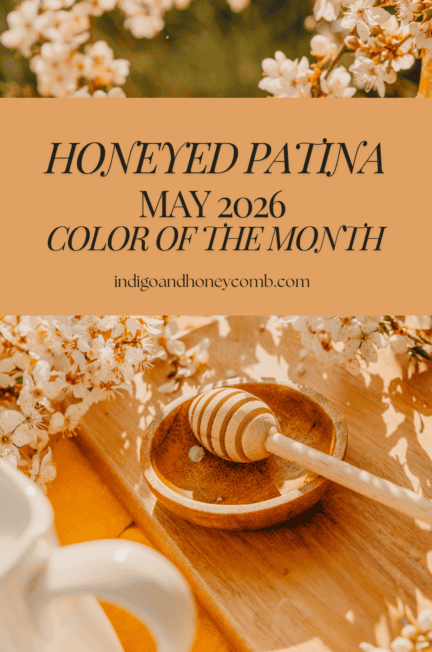
A Softer Kind of Warmth
Each May tends to mark a subtle turning point in how we experience color. The light shifts, interiors begin to breathe again, and palettes soften in response to longer days and quieter transitions between seasons.
This year, that shift arrives through Honeyed Patina (#E1A163), a warm, amber-toned hue that feels both grounded and gently luminous. It carries the essence of amber, but with something more nuanced layered in: a softened depth, as though the color has been lightly worn, brushed by time, and settled into its surroundings.
It doesn’t read as bright or overtly golden. Instead, it holds a kind of restraint—warm, but not overwhelming; rich, yet entirely livable. This balance makes it especially compelling within warm amber interior design, where depth and softness need to coexist.
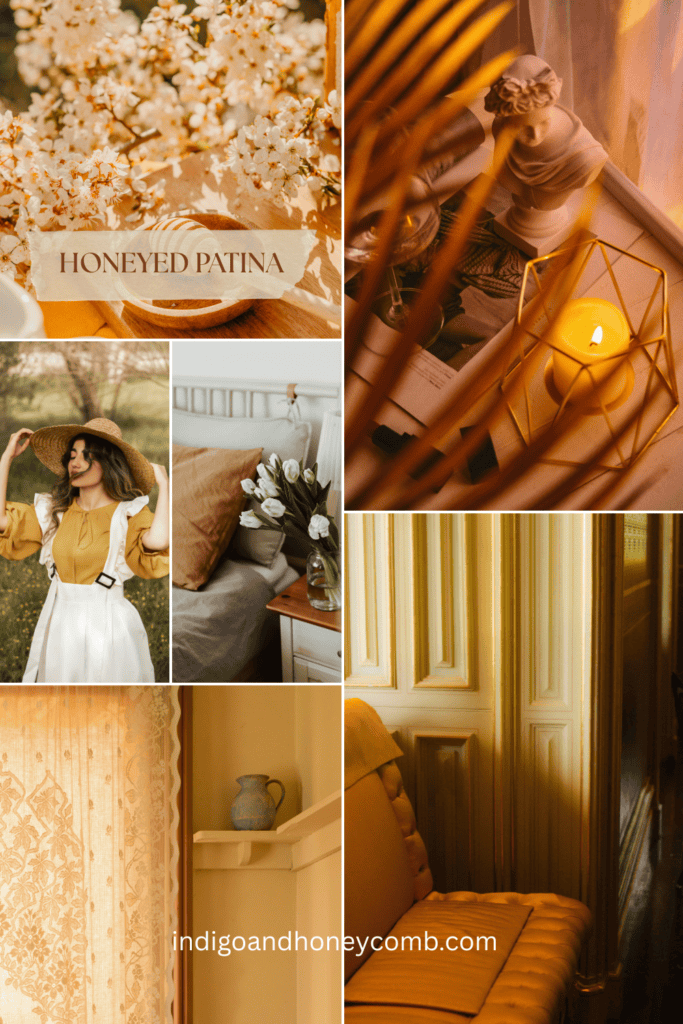
The Return of Amber in 2026
The growing presence of amber across interiors is not happening in isolation. It reflects a broader movement away from the cool, desaturated palettes that have defined much of the past decade.
The amber color trend 2026 signals a return to warmth, but also to something more emotional and personal. Designers and homeowners alike are gravitating toward tones that feel familiar. Colors that echo natural materials, sunlight, and the subtle variations found in aged surfaces.
Within the wider landscape of earth tone color trends 2026, amber takes on a new role. It is no longer reserved for accent pieces or seasonal styling. Instead, it emerges as a modern neutral, offering more dimension than beige and more softness than traditional browns. Honeyed Patina sits at the center of this shift, bridging caramel, ochre, and soft gold in a way that feels quietly expressive rather than overtly decorative.
Honeyed Patina in the Market
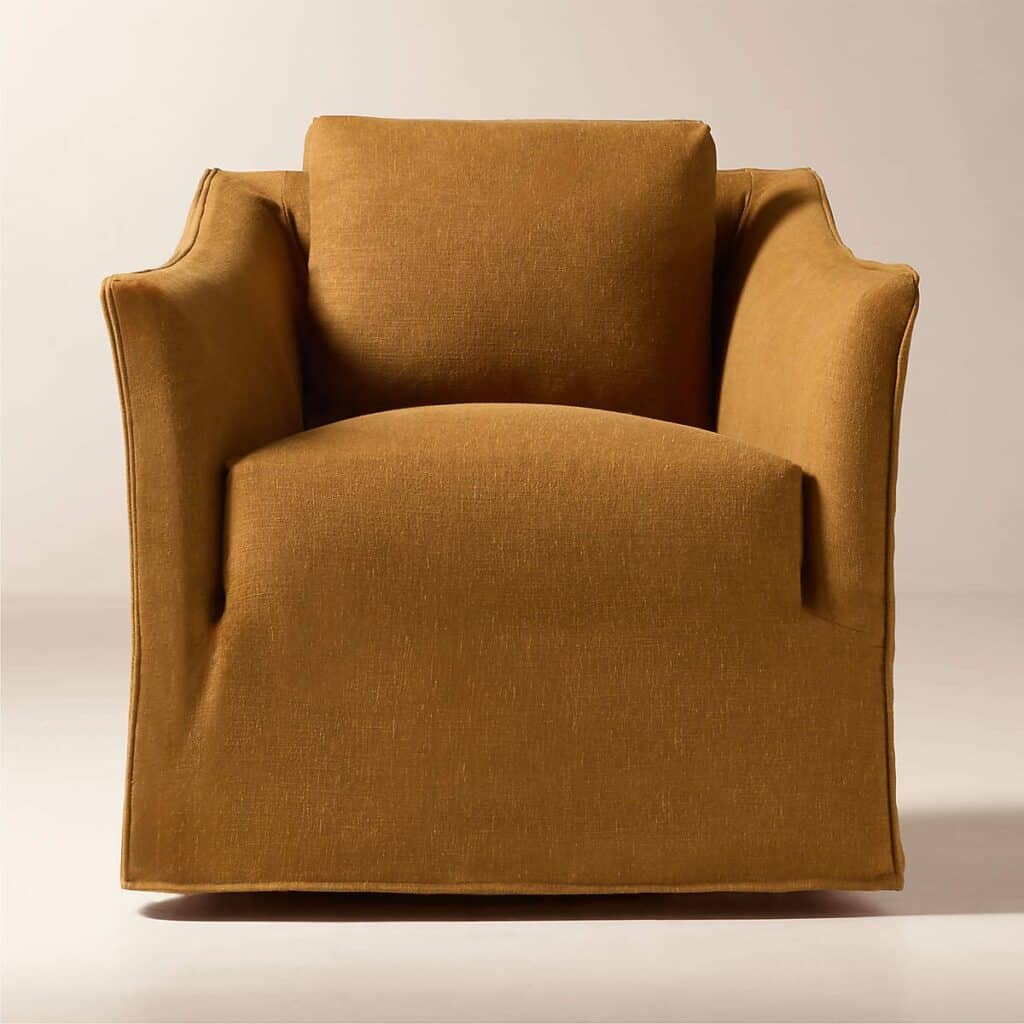
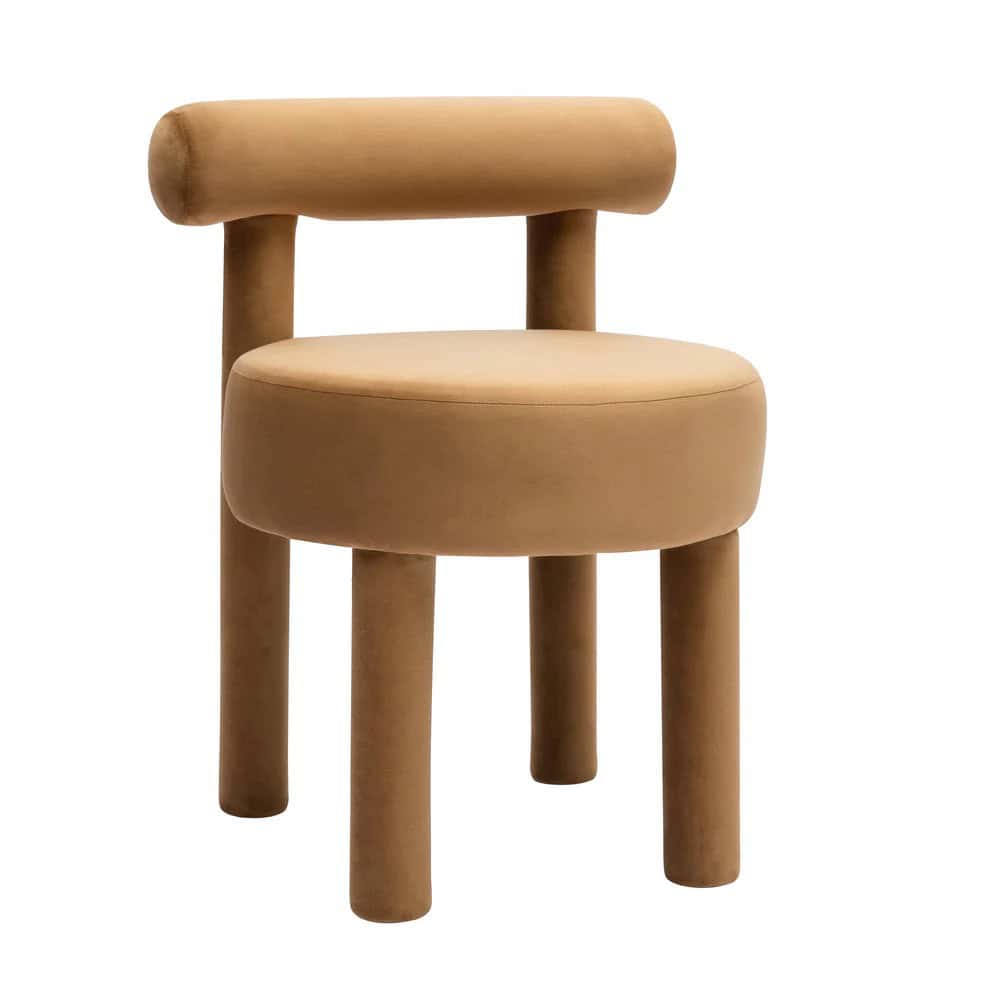
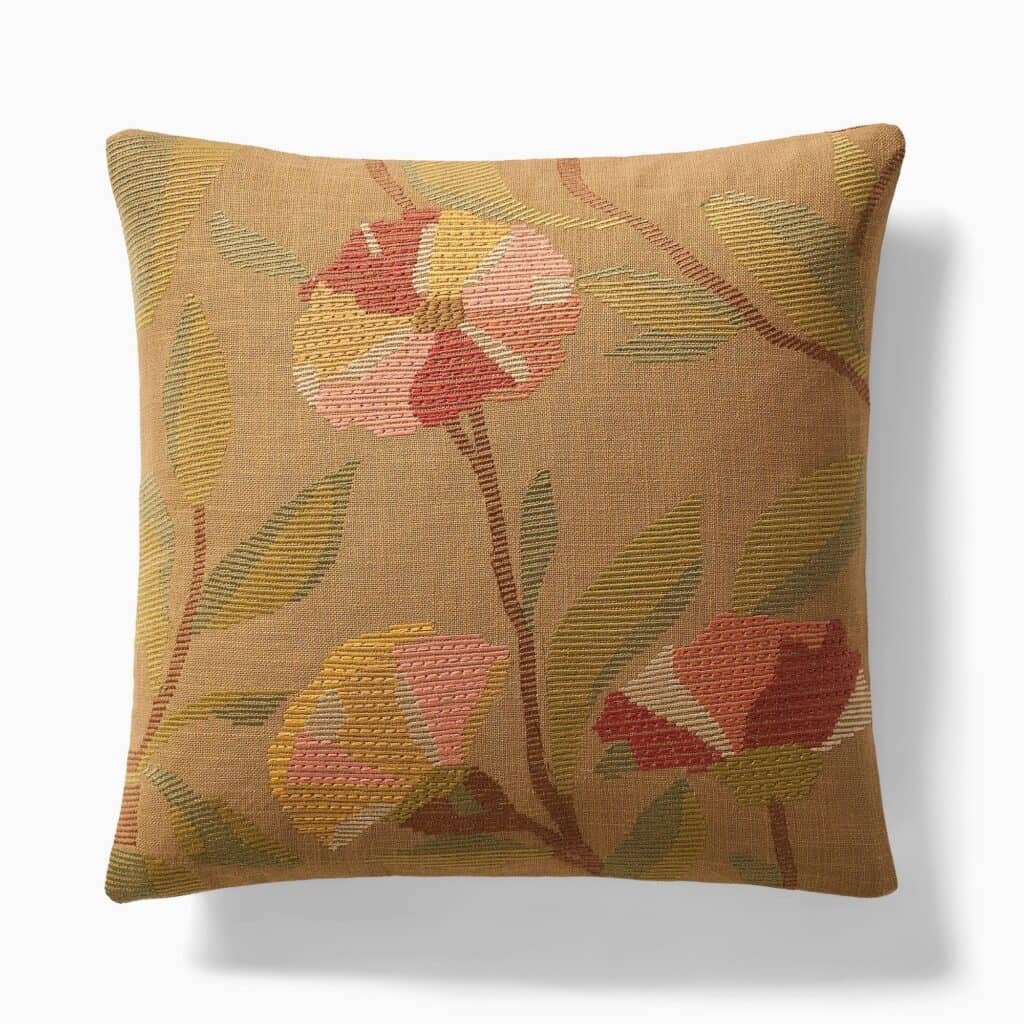
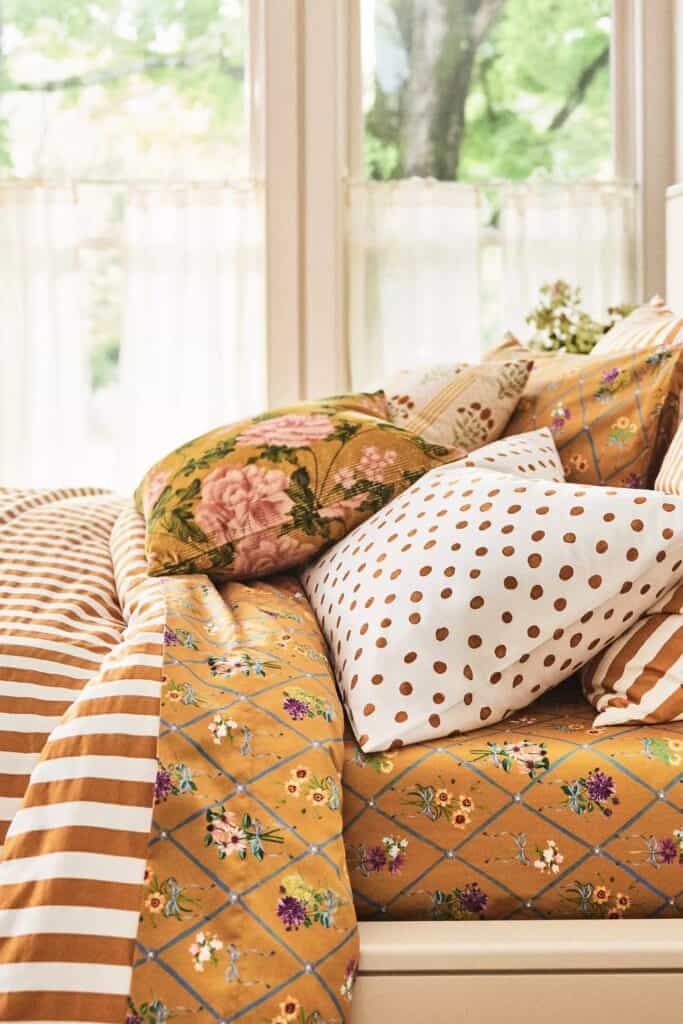
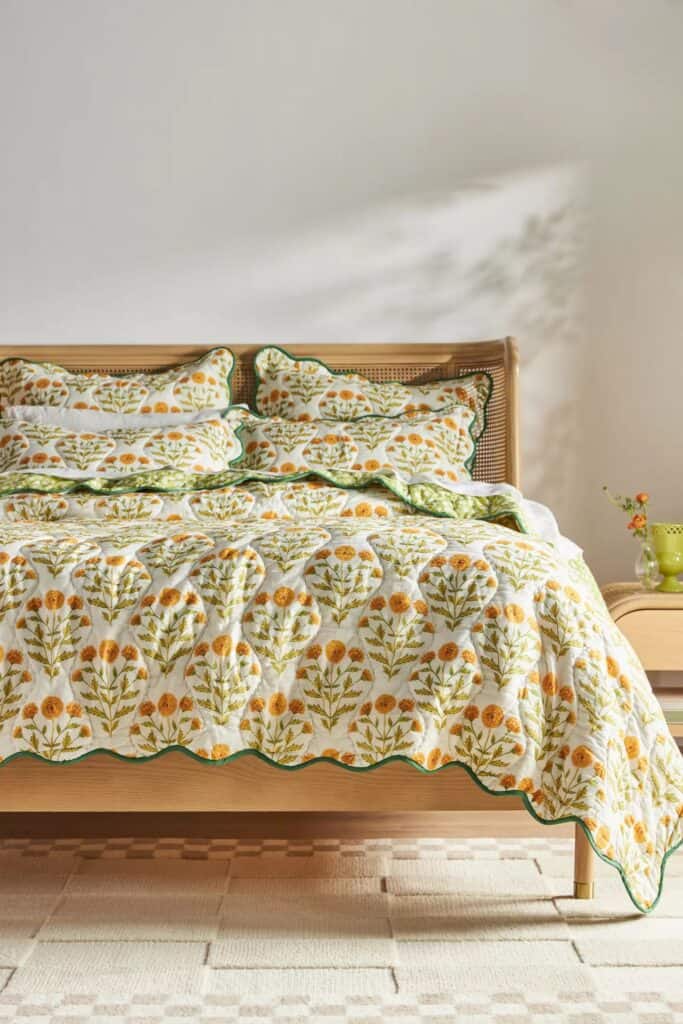
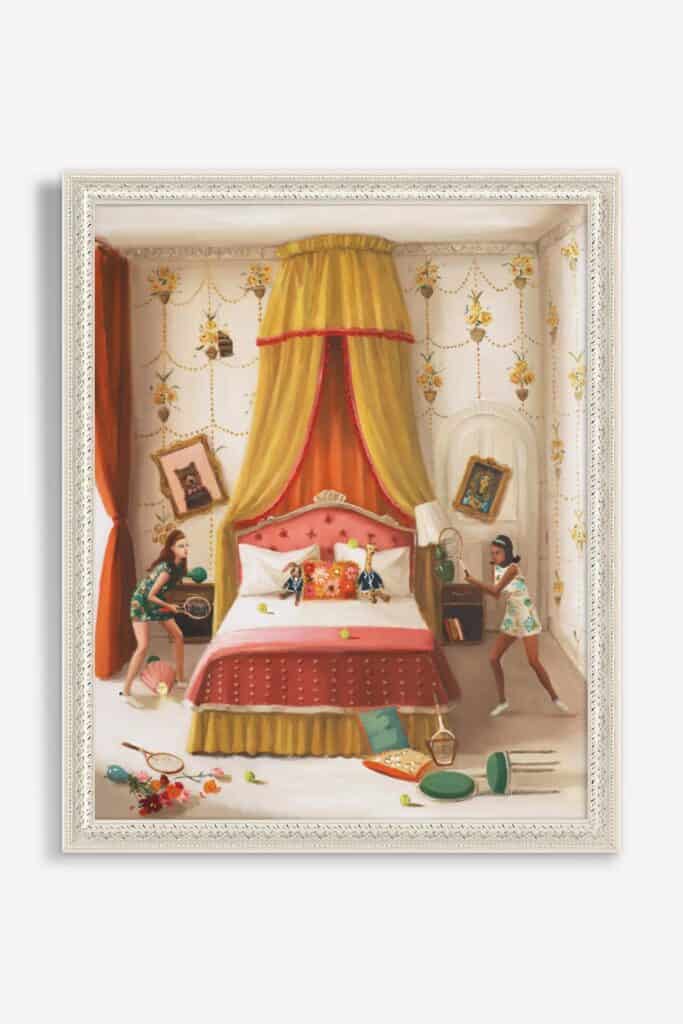
Across brands like Anthropologie and West Elm, Honeyed Patina is appearing in velvet upholstery, amber glass, and hand-glazed ceramics—often with softened, burnished finishes that emphasize depth over saturation. These pieces highlight how the color is less about statement and more about atmosphere, reinforcing its role as a new neutral in 2026 interiors.
A Color Shaped by Time
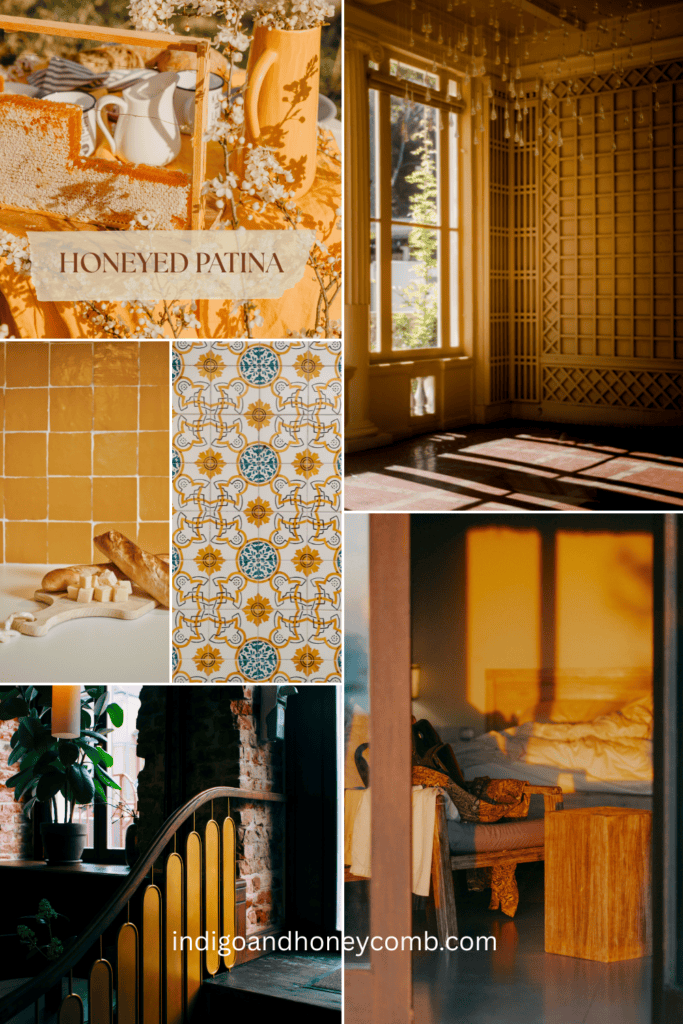
What distinguishes Honeyed Patina is not just its hue, but its character. There is a finish to it, something akin to a patina, that suggests age and materiality. It calls to mind the way light catches on worn leather, or how a glazed ceramic surface deepens in tone after years of use. Even in flat applications, the color carries a sense of variation, as if it has evolved rather than been applied.
This sensibility aligns beautifully with the rise of the vintage inspired color palette, where tones feel storied rather than styled. Interiors are becoming less about perfection and more about presence—layered, tactile, and reflective of lived experience. Honeyed Patina supports that direction effortlessly, adding quiet richness without overpowering a space.
Living with Honeyed Patina
In practice, this is a color that reveals itself through materials and light. On upholstery, it brings a softness that feels inviting without being overly casual. A velvet chair or leather bench in this tone introduces warmth in a way that feels intentional, never trend-driven. In paint applications, it also aligns with the growing demand for warm neutral paint colors 2026, offering an alternative to flat whites and cooler beiges.
Within a broader caramel and amber color palette, Honeyed Patina acts as a natural anchor, balancing lighter creams and deeper earth tones with ease. Even in smaller moments—a ceramic vessel, a woven textile, a framed detail—the color has a way of shifting the atmosphere. It warms surrounding tones, softens contrasts, and adds a subtle glow that evolves throughout the day.
There is also a growing interest in using amber tones in more unexpected areas of the home. Bathrooms, in particular, are beginning to reflect this shift, where warmer finishes and softly reflective surfaces create a sense of intimacy and quiet luxury.
Pairing and Palette Direction
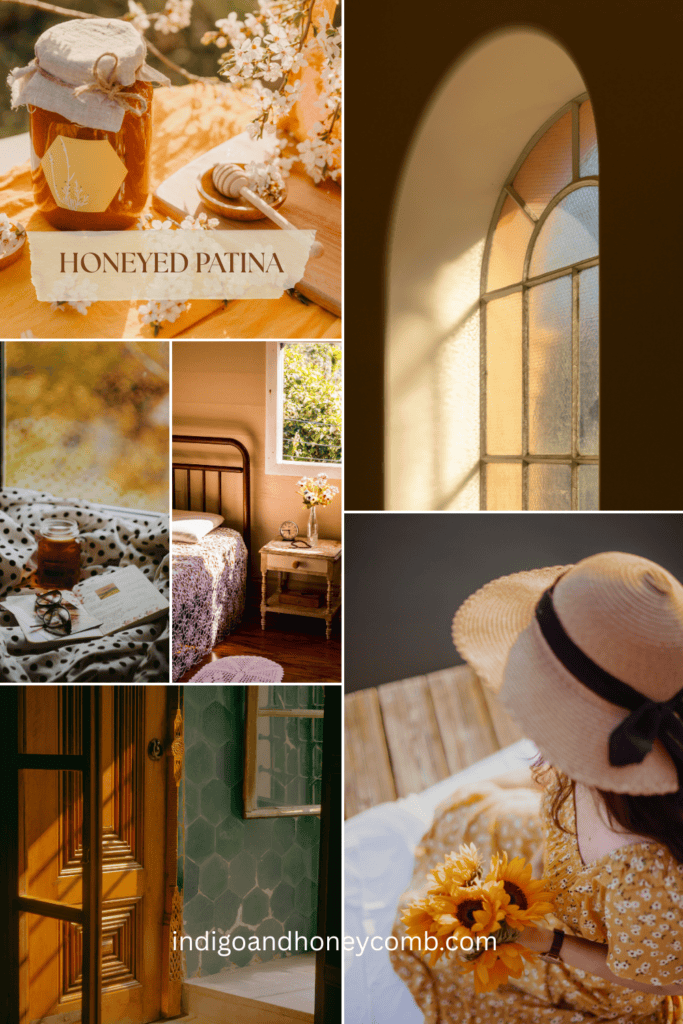
Honeyed Patina works best when it is allowed to sit within a considered palette rather than stand alone. When paired with soft creams and warm whites, it feels light and expansive, almost sun-washed. Alongside muted greens, particularly sage or moss, it becomes more grounded, drawing out its connection to the natural world. Deeper tones, such as teal or forest, introduce contrast while maintaining a sense of cohesion.
These combinations reflect the continued evolution of earth tone color trends 2026, where palettes are layered and nuanced rather than minimal or stark. The goal is not simplicity, but harmony. Spaces that feel composed through tone and texture rather than contrast alone.
A Sense of New Nostalgia
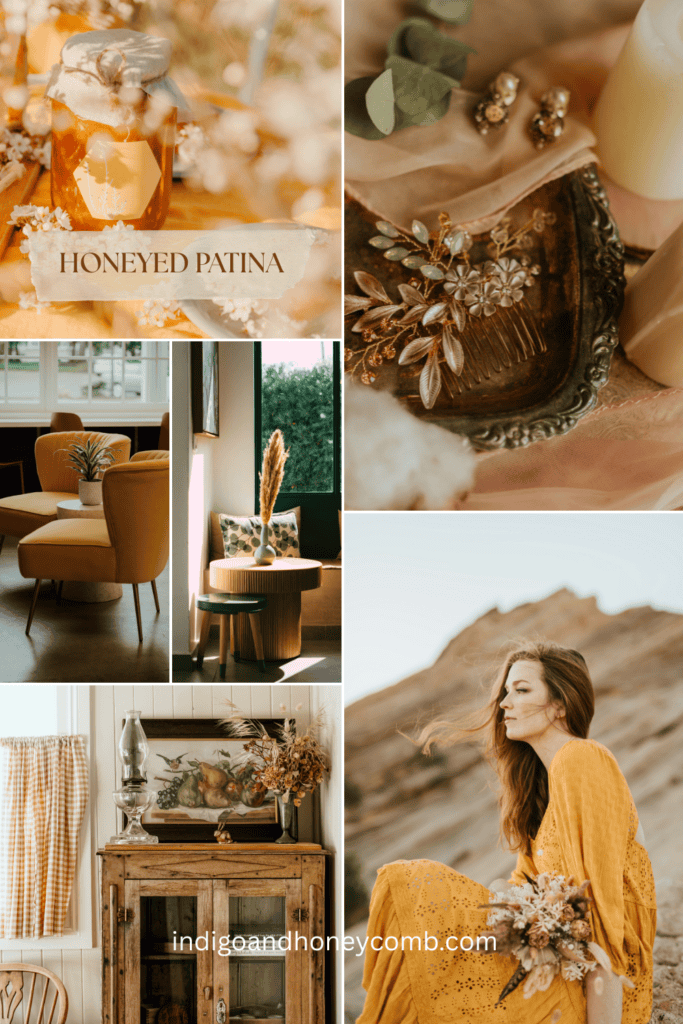
Part of what makes this color resonate now is its familiarity. Honeyed Patina carries subtle references to mid-century interiors, vintage textiles, and the warm glow of older materials. Yet it doesn’t feel referential or overly styled. Instead, it reflects what might be described as a new nostalgia—an appreciation for the past, interpreted through a more refined and contemporary lens.
This perspective continues to shape both warm amber interior design and the broader return to expressive, character-driven spaces. Color becomes a way to tell a story, one that feels personal, layered, and quietly luxurious.
A Color That Settles In
Some colors make an immediate statement. Others unfold more slowly. Honeyed Patina belongs to the latter. It adapts to its surroundings, responding to shifts in light and material, and becoming more dimensional over time. It doesn’t ask to be noticed; it simply becomes part of the environment, deepening the overall experience of a space.
As interiors continue to move toward warmth and individuality, this kind of tone feels less like a passing trend and more like a lasting foundation. One that reflects where design is heading, and what we’re collectively craving in our homes.